Engineering UV Protection Swimwear for the Brazilian Market
A comprehensive analysis of photoprotective textile chemistry, Brazilian sensory preferences, and tariff-optimized private label manufacturing.
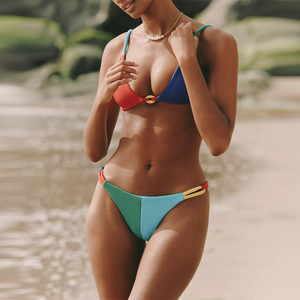
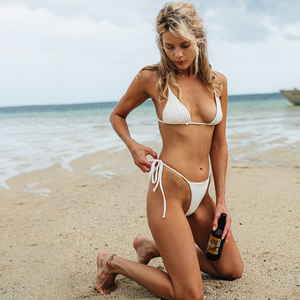
Brazil commands one of the most culturally vibrant, commercially expansive beachwear ecosystems on the globe. With over 7,400 kilometers of sun-drenched coastline and year-round tropical exposure spanning from Bahia to Rio Grande do Norte, swimwear in Brazil is not seasonal leisure apparel—it is daily lifestyle culture. However, the geographic reality of South America’s tropical belt means that local consumers face extreme solar UV index (UVI) levels frequently reaching peak ratings of 11 to 14+. Consequently, Brazilian fashion consumers have undergone a profound paradigm shift: while aesthetic demands for sensual silhouettes, micro-fits, asa delta cuts, and cheeky fio dental bottoms remain uncompromising, there is an urgent demand for certified UPF 50+ sun protection integrated into fabric structures.
For independent Brazilian beachwear designers, multichannel retail chains in São Paulo, and boutique resort labels in Trancoso and Rio de Janeiro, sourcing reliably certified photoprotective beachwear has historically been fraught with industrial challenges. Domestic Brazilian textile mills frequently impose massive minimum order quantities (MOQs) on specialized functional microfibers, while lower-tier imports often rely on cheap, topical chemical wash-ins that leach into water bodies after only three to five laundry cycles. As an ethical, technologically advanced swimwear manufacturer, Bikinova bridges this critical market void. We engineer high-performance UV protective swimwear utilizing inherent titanium dioxide (TiO₂) infused microfiber technology combined with recycled Italian ECONYL® and regenerated post-consumer PET fabrics, ensuring lifetime UPF 50+ efficacy even when fabrics undergo severe tensile elongation and saltwater saturation.
Technical Benchmark: Standard Lycra vs. Inherent UPF 50+ Bio-Polyamide
How our European-milled regenerated circular fibers outclass conventional swimwear under Brazilian equatorial sun exposure.
| Performance Attribute | Conventional Spandex / Nylon | Coated Chemical UV Finish | Our Inherent UPF 50+ Circular Fabric |
|---|---|---|---|
| Photoprotection Rating (Wet State) | UPF 10 – 15 (Transmits ~10% UV) | UPF 30 (Degrades in water) | ✓ Certified UPF 50+ (Blocks >98% UV) |
| Wash Durability & Longevity | Baseline (Color fades rapidly) | Loses rating after 5–10 home washes | ✓ Lifetime Inherent Molecular Protection |
| Tensile Elongation Impact (Stretch) | Yarns pull apart; UPF drops to <8 | Surface micro-cracking releases UV | ✓ High-gauge 40-gauge circular knit retention |
| Resistance to Sun Creams & Oils | Elastane degradation, yellowing | Moderate staining & fiber breakdown | ✓ Tested against zinc, avobenzone & tanning oils |
| Environmental Impact | Virgin petroleum-derived synthetic | Harmful fluorocarbon chemical runoff | ✓ 100% ECONYL® & GRS-Certified Recycled PET |
Localized Application Scenarios in Brazilian Micro-Markets
Formulated to align with the unique maritime climates, recreational cultures, and regional fit demands across Brazil.
Southeast Lifestyle: Rio & São Paulo
In hubs like Ipanema, Copacabana, and Guarujá, beachwear transitions effortlessly from ocean sports like futevôlei and altinha to high-end pós-praia beach clubs. Brands require athletic stretch, ultra-flat lock seams that eliminate sand chafing, and quick-dry breathability that looks glamorous under open linen shirts.
Northeast Tropics: Bahia to Ceará
In Jericoacoara, Fortaleza, and Pipa, consistent thermal trade winds create global epicenters for kitesurfing and wing-foiling under solar indices exceeding UVI 13. Sourcing needs focus on high-compression UPF 50+ long-sleeve rashguards, surfsuits with locking YKK zips, and saltwater-resilient stretch that refuses to sag.
Southern Coast: Florianópolis & Beyond
Santa Catarina’s boutique coastal market demands sophisticated eco-luxury. Cold upwelling currents alternate with intense sun, driving interest in thermal-insulating yet breathable UV swimwear constructed from recycled fishing net polymers. Consumers here demand strict traceability and OEKO-TEX® chemical transparency.
Emerging Beachwear Trends Shaping Brazilian Sourcing in 2025–2026
Capitalize on high-growth market segments identified through retail data across Brazilian fashion e-commerce.
Proteção Invisível (Featherlight UPF)
Gone are the heavy, stiff rashguards of the past. The vanguard of Brazilian beach fashion centers on featherlight 130–165 GSM micro-rib and crinkle fabrics that mimic silky body lingerie while achieving maximum laboratory UPF 50+ certification.
Solar-Proof Sublimation Fastness
Brazil’s UV spectrum accelerates photo-oxidation and color fading. Our digital sublimation printing utilizes high-penetration Swiss inks achieving Grade 4.5 colorfastness against hyper-saline ocean water, chlorine, and intense midday ultraviolet bombardment.
Low-MOQ Agility vs. Import Duties
With Brazilian customs mechanisms (II, PIS/COFINS, and ICMS) requiring disciplined capital allocation, our low 300-piece production threshold divided over six silhouettes empowers brands to test limited drops without massive warehousing risks.
Sensual Engineering (Levanta Bumbum)
International factories often fail at Brazilian fits by providing excessive bottom coverage. Our London pattern masters work directly with calibrated Brazilian grading blocks, executing precise ruched back seams, cheeky cuts, and flattering contours.
Why Premier Brazilian Labels Partner With Our London Studio
Precision British pattern drafting, European luxury textile partnerships, and transparent end-to-end CMT manufacturing.
Digital Grading & 50% Less Waste
Our computerized Gerber nesting systems optimize pattern layouts before a single blade touches cloth, slashing card and paper waste by 50% and guaranteeing exact millimetric symmetry on challenging four-way stretch lycras.
Italian Traceable Supply Chain
We source authentic regenerated ocean waste nylon (ECONYL®) directly from Italian mills. Every batch includes full traceability documentation, Oeko-Tex Standard 100 Class I verification, and authentic laboratory UPF certificates.
Agile 300-Unit Multi-Style MOQ
Most industrial offshore facilities demand 1,000+ units per colorway. We liberate boutique designers: order 300 units total across up to 6 unique designs (50 units each), enabling rich catalog diversity with minimal inventory exposure.
Corrosion-Resistant Hardware
Tropical Brazilian Atlantic waters contain high chloride salinity that rapidly tarnishes metal bikini rings, starfish charms, and clasps. We exclusively fit custom hardware with electrophoretic anti-salt coatings tested under 72-hour salt spray chambers.
Full CMT & Private Label Support
From custom woven brand labels, biodegradable hygienic liners, and FSC-certified swing tags to polybags made of 100% compostable cassava starch, we deliver shelf-ready, retail-grade merchandise delivered directly to your distribution center.
Zero Overproduction Footprint
We manufacture strictly to order within our ethical, eco-powered London production studio. By cutting with high-efficiency servo motors and repurposing fabric remnants into beach scrunchies and hair ribbons, we safeguard clean ocean habitats.
Manufacturing Lead Times: Custom Development vs. Ready Catalogue
Transparent production phases calibrated for punctual delivery ahead of Brazil's peak summer retail rush (September to February).
Custom OEM Design Development
Stage 1: Blocks, Patterns & Toiles (4–5 Weeks)
Bespoke pattern drafting to match your fit specifications. Digital toiles developed while sampling yardage is dispatched from our Italian textile partners.
Stage 2: Prototype Fitting Samples (2–3 Weeks)
Physical prototypes fabricated in your selected exterior fabrics, inner linings, and custom branded hardware for physical wearer fitting.
Stage 3: Grading & Bulk Fabric Import (2–3 Weeks)
Finalized patterns graded across your target size spectrum (XXS to plus sizes) while bulk rolls and custom labels are acquired.
Stage 4: Precision Bulk CMT & QC (4–8 Weeks)
Computerized cutting, 4-needle overlocking, bar-tacking, AQL 2.5 final inspection, and preparation for global freight export.
Private Label Catalogue Fast-Track
Stage 1: Silhouette & Colorway Selection (2–3 Weeks)
Select from our library of fit-tested, pre-graded Brazilian and international bikinis, one-pieces, and UPF surf rashguards. Fabric lab-dips requested.
Stage 2: Brand Tag Samples (2 Weeks)
Evaluation of reference counter-samples adorned with your custom heat-transfer inner logos, engraved metal hardware, and hangtags.
Stage 3: Bulk Fabric Milling (2–3 Weeks)
Certified Italian UPF 50+ rolls milled in your custom pantone shades or digital sublimation patterns.
Stage 4: Bulk Assembly & Express Dispatch (4–8 Weeks)
Streamlined mass sewing, sanitary liner application, eco-packaging, and rapid courier handover directly to Brazilian ports or door-to-door forwarding.
Frequently Asked Questions by Brazilian Importers & Fashion Directors
Crucial commercial details on Brazilian customs compliance, fabric longevity, technical testing, and minimum order splitting.
How does your swimwear achieve UPF 50+ certification under Brazilian standards (ABNT NBR 16674)?
Can our order of 300 units be mixed across different bikini sizes, colors, and cuts?
How do you navigate customs documentation and import duties (RADAR / Siscomex) into Brazil?
Will these fabrics deteriorate when exposed to heavy sunscreen lotions and Brazilian tanning oils?
Do you accommodate specific Brazilian anatomical grading, such as "Asa Delta" and "Fio Dental"?
What are the exact differences between ECONYL® nylon and recycled PET for swimwear?
Can we apply our own custom metal logos, branded hygienic stickers, and packaging?
What is the sampling timeline and protocol before initiating full bulk production?
Launch Your Certified UV Swimwear Collection
Connect directly with our London technical production team. Discuss tech packs, inspect Italian fabric swatches, and calculate accurate landed production estimates for your brand in Brazil.
Send an Inquiry