Top Performing Swimwear Collections for Dutch Retailers
Engineered with OEKO-TEX 100 certified recycled yarns, high elastane recovery, and saltwater/chlorine resistance tailored for European demographics.

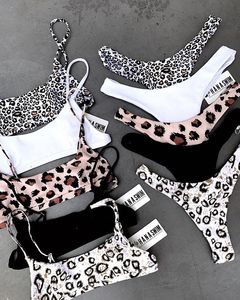

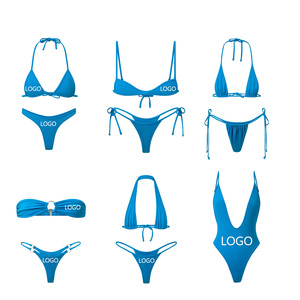
Navigating the Dutch Swimwear Landscape: Technical Sourcing for the Low Countries
The Netherlands presents one of the most mature, discerning, and sustainability-regulated swimwear consumer markets across the European Union. Dutch consumers combine an inherent outdoor lifestyle with rigorous environmental standards. To effectively capture market share in retail hubs like Amsterdam, Rotterdam, The Hague, and Utrecht, fashion labels cannot rely on conventional virgin polyester manufacturing. Procurement decisions must align with strict circular textile guidelines, certified recycled materials, and functional technical traits engineered for both the brisk North Sea coastline and the ubiquitous Dutch indoor wellness culture.
Supply Chain Takeaway for Dutch Sourcing Directors: Sourcing recycled swimwear from China is no longer merely a cost-arbitrage calculation. It is a compliance and precision exercise requiring certified Global Recycled Standard (GRS) yarn provenance, Digital Product Passport (DPP) readiness, and specialized ergonomic pattern grading optimized for Dutch demographic stature.
Active North Sea Coastal Rigor
Along coastal regions like Scheveningen, Zandvoort, and the Zeeland estuaries, water sports—ranging from kitesurfing to open-water sea swimming—demand high-tenacity yarns (220–250 GSM) engineered with four-way stretch recovery, sand-shedding weaves, and maximum UV SPF 50+ barrier protection against reflective ultraviolet rays.
Indoor Sauna & Hydro-Thermal Resistance
The Netherlands boasts a celebrated year-round wellness culture. Facilities like Thermae 2000 and Zwaluwhoeve require swimwear formulated with high chlorine-breakdown resistance and heat stability up to 45°C. Our recycled blends preserve tensile integrity without elastane degradation or elastomeric dry rot.
Ergonomic Dutch Sizing Specs
With Dutch women statistically measured among the tallest globally (average height ~170.5 cm), standard Asian or South European sample blocks result in fit discrepancies. Our specialized CAD grading includes elongated torso lengths, broader shoulder spans, and comprehensive fuller-bust (D to G cup) underband reinforcements.
Digital Pattern Nesting & Zero-Waste Production Architecture
Our manufacturing complex pairs high-speed computerized Gerber CAD nesting systems with automated laser cutting machinery. By calibrating cut layouts digitally, we achieve marker efficiencies up to 92%, drastically curtailing the virgin and recycled fabric scrap inherent to manual scissors cutting.
All unavoidable fabric off-cuts from bulk runs are systematically segregated into pure synthetic yarn scrap streams or repurposed into matching hair accessories, eliminating industrial waste routing to landfills.

Technical Specifications: Sustainable Textiles for the Netherlands
We supply a broad matrix of recycled yarns, from post-consumer PET bottles (rPET) to regenerated nylon waste reclaimed from marine fishing debris (ECONYL® / regenerated PA6). The following table delineates performance indices vital for product managers planning seasonal buy programs.
| Fabric Profile | Composition Ratio | Fabric Weight (GSM) | Chlorine Fastness (ISO 105-E03) | Key Sustainability Credential | Optimal Netherlands Application |
|---|---|---|---|---|---|
| Regenerated Marine Polyamide | 78% Recycled PA, 22% Xtra Life LYCRA® | 190 GSM | Grade 4.5 / 5.0 | ECONYL® / Ocean Waste Certified | High-end resortwear & boutique retail in Amsterdam |
| Post-Consumer Recycled Poly (rPET) | 86% rPET, 14% Elastane | 220 GSM | Grade 4.0 / 5.0 | GRS (Global Recycled Standard) 4.0 | Sublimation prints, competitive wholesale lines |
| Textured Recycled Jacquard / Crinkle | 92% Recycled Polyamide, 8% Spandex | 260 GSM | Grade 4.5 / 5.0 | OEKO-TEX Standard 100 Class I | Tactile retro-style one-pieces, maternity, body-inclusive |
| Thermal Compression Active Swim | 75% rPET, 25% Heavy Spandex | 250 GSM | Grade 5.0 / 5.0 | Bluesign® Approved Dyes & Finishes | Kitesurfing suits, cold-water dip training, Zeeland water sports |
Navigating Dutch UPV Textiel & EU Eco-Design Regulations
In mid-2023, the Dutch Government enacted the Uitgebreide Producentenverantwoordelijkheid (UPV) Textiel (Extended Producer Responsibility for Textiles). Under this legislation, any apparel brand, importer, or webshop offering clothing on the Dutch market assumes financial and operational responsibility for the collection, sorting, reuse, and recycling of post-consumer garments. For Dutch fashion executives, selecting an overseas factory is intimately linked with meeting mandatory recyclability percentages and circular durability goals.
GRS Transaction Certificates (TC)
Every production batch ordered is backed by lot-specific Transaction Certificates tracing polymer origin from verified waste collection stations through certified yarn spinners to our knitting mills, ensuring audit-proof documentation for Dutch customs.
Zero Hazardous Chem (REACH Compliant)
Strict adherence to EU REACH Annex XVII restricts carcinogenic arylamines, nonylphenol ethoxylates (NPEOs), and fluorinated water-repellent coatings (PFAS-free chemistry), passing stringent SGS and TÜV Rheinland spot testing.
Digital Product Passport (DPP) Ready
We prepare material composition matrices, fiber recovery codes, and mill geolocation tags directly compatible with upcoming EU Digital Product Passport frameworks, allowing seamless QR code integration on Dutch care labels.
Circular Design for Disassembly
We integrate water-soluble basting threads for removable underwires, single-polymer trims, and separable hardware components that allow post-consumer garments to be mechanically or chemically shredded without contamination.
Engineered for Boutique Labels & High-Volume Importers Alike
Recognizing the risks associated with speculative fashion inventory, our facility operates on an agile manufacturing paradigm. Rather than demanding oppressive minimum quantities of 2,000 pieces per style, we provide an accessible entryway of 300 units per order, capable of being distributed across up to 6 styles (50 units per style minimum). This framework allows Dutch brand builders to validate market response across multiple aesthetics without balance-sheet strain.
Rapid Turnaround & Fit Sampling
From your initial 2D tech pack or physical reference garment, our master pattern cutters produce digital CAD patterns and physical fit toiles within 7 working days. Comprehensive graded sample sets are dispatched via DHL express straight to your Dutch studio.
Direct Port-to-Port Rotterdam Freight
Take advantage of consolidated ocean FCL/LCL departures directly from Ningbo or Shenzhen to the Port of Rotterdam (transit time 24–28 days), or expedited DDP air shipments arriving at Amsterdam Schiphol (AMS) within 5–7 days.
Comprehensive In-House QC Standards
We enforce strict AQL 2.5 / 4.0 inspection regimes. Every piece undergoes seam elongation testing (minimum 120% stretch limit), colorfastness rub tests under artificial seawater conditions, and needle detection before biodegradable bag sealing.
Precision Craftsmanship from Our Sewing Lines
Examine the fine detail of our four-needle six-thread flatlock stitching, hidden bonded seams, and premium recycled rib textures.

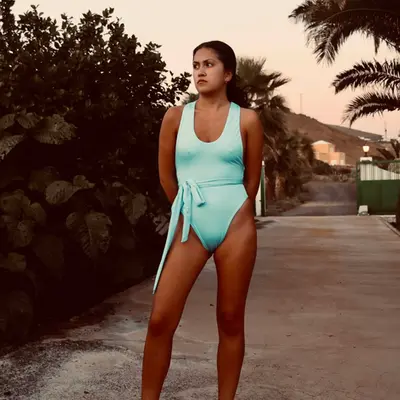
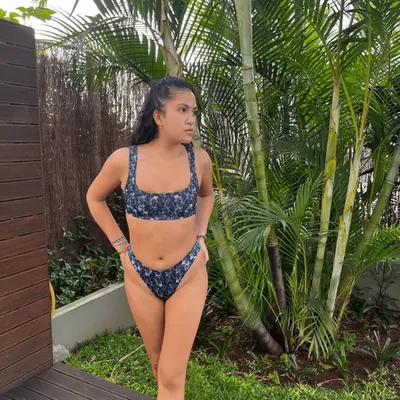
Frequently Asked Questions: B2B Sourcing from the Netherlands
Practical answers addressing regulatory hurdles, import tariffs at Rotterdam customs, minimum orders, and fabric certification verification.
How does our Dutch brand verify that the swimwear fabrics are authentically recycled?
What are the standard import customs tariffs and VAT protocols when importing into the Netherlands?
Can we split the 300-piece MOQ across multiple sizes, colorways, and styles?
How does your factory accommodate specialized Dutch anthropometric body sizing?
What is the lead time from tech pack sign-off to delivery in Amsterdam or Rotterdam?
Do you offer customized, plastic-free sustainable packaging that complies with Dutch retail norms?
Launch Your Sustainable Swimwear Collection Today
Connect with our technical design office to request our full wholesale lookbook, order fabric swatch cards of our recycled nylon and rPET materials, or initiate custom CAD pattern sampling for the Dutch market.
Get Catalog