300 Pcs
Low Bulk MOQ (Split 6 Styles)
UPF 50+
Canadian Lab-Tested Protection
100%
Regenerated ECONYL® / RPET
10-14 Days
Air Express to YVR/YYZ Hubs
Engineered Collections
Commercial Production-Ready Swimwear Silhouettes
Pre-graded, fit-tested custom swimwear silhouettes developed with premium elastane memory, UV50+ shields, and Italian recycled polymers ready for OEM brand application across Canadian provinces.

2025 New Solid Two Piece Bikini String Bikini Hollow Out Special Fabric Fitness Swimwear
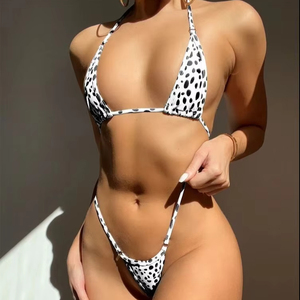
Sexy Micro Bikini 2025 Women Push up Padded Thong Swimsuit Female Cut Out Bathing Suit
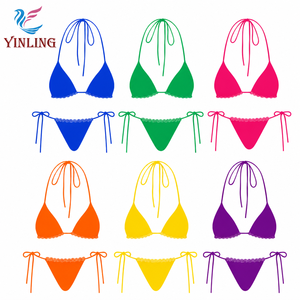
OEM ODM Solid Color Keyhole Bandeau Bikini Set Halter Strap High Cut Bottom Two Piece
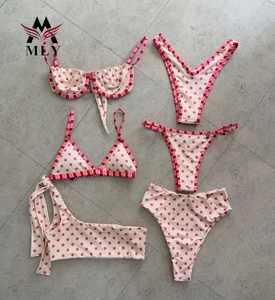
MLY Sexy Orange Striped Halter Bikini Set Women Tie Side Triangle Two Piece Swimsuit
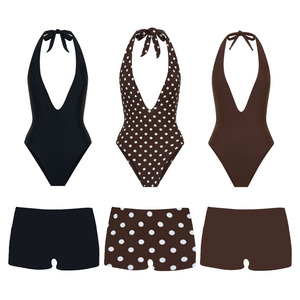
Manufacturer Recycled Fabric Swimwear Custom Charm Polka Dot Print One Piece with Shorts
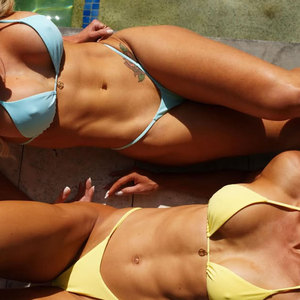
High-Waisted Private Label Custom Women Designer Wholesale Bikini Manufacturer Multi-Color
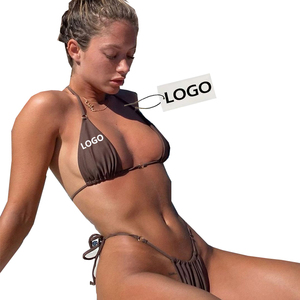
Custom Bikini Set Logo Tie up Two Piece Sexy Ladies Halter Bikinis Set Bright Floral
Trade Dynamics & Strategy
Navigating Custom Swimwear Exporters in the Canadian Market
Strategic insights into the procurement patterns, technical demands, and logistical infrastructure defining Canadian swimwear import and retail expansion.
1. Sourcing Archetypes & Tier-1 Exporters
The Canadian marketplace relies on a bifurcated supply chain: high-volume mass production from Far-East contract hubs contrasted against specialized European and British design studios like Bikinova. While mass-volume exporters handle commodity polyester lines, emerging Canadian fashion labels prioritize ethical, high-grade London and Mediterranean exporters capable of delivering 300-unit low MOQs, traceable Italian circular fabrics (ECONYL®), and precision European grading systems.
2. Tariff Classification & Canada CBSA Compliance
Importing into Canadian hubs (Port of Vancouver, Prince Rupert, Pearson International) requires rigorous adherence to CBSA customs valuation and HS Code classification (specifically under HS Chapter 6112 for knitted swimwear). High-end exporters mitigate Canadian brand liabilities by certifying non-toxic dyestuffs, verified fiber composition tags under the Canadian Textile Labelling Act, and providing transparent Certificate of Origin documentation to optimize duties under multilateral agreements.
3. Climatic Seasonality & Dual-Peak Retailing
Unlike equatorial territories, Canada manifests distinct buying seasons: the Domestic Summer window (May through August) oriented around the Great Lakes, Muskoka cottage country, and BC coastlines; and the Winter ResorT/Sun-Seeker window (November through February) catering to vacationers heading to Mexico and the Caribbean. Exporters servicing Canada must operate with agile production schedules that deliver fresh collections precisely synchronized with these two vital cash-flow influxes.
Geographic Market Mapping
Regional Application Scenarios Across Canada
Technical garment design must adjust to Canada's varied regional micro-climates, consumer recreational habits, and localized lifestyle preferences.
West Coast Cold-Water Surf & SUP (BC)
In Tofino and Vancouver Island, consumers seek hybrid surfwear. Garments demand dense 220–250 GSM regenerated polyamides engineered with hyper-durable 4-way stretch, secure keyhole bands, and high chlorine/salt immersion fastness, transitioning effortlessly under light 2mm wetsuits or dry-robe cover-ups during high-intensity paddle sports.
The Resort & Sun-Seeker Jetset (Toronto & Montreal)
Urban DTC flagships in Ontario and Quebec design around the luxury mid-winter vacation market. High-fashion cutouts, shimmering lurex textiles, deep-V halter tops, and hardware accents resistant to tropical sun oils dominate. Sizing must account for cosmopolitan fit expectations ranging from micro-bikini aesthetics to full-support structured bandeau tops.
Freshwater Lake & Cottage Culture (Central Canada)
Across Ontario’s Muskoka and Quebec’s Laurentians, freshwater swimming, motorboating, and sauna culture demand chlorine-resilient and tannin-stain-resistant materials. Seamless, double-lined reversible bikinis and modest high-waisted briefs with tummy-control mesh are preferred for long-duration outdoor wear under intense open-lake solar radiation.
Thermal Nordic Spas & Wellness Resorts
Canada’s burgeoning hydrotherapy and Nordic thermal wellness culture (such as Scandinave Spa circuits) places distinct biochemical pressures on swimwear. Fabrics must endure cycle exposure to 40°C mineral-rich hot pools, cold-plunges, and steam saunas without fiber degradation, loss of elastic memory, or color blanching.
Forward Forecast 2025–2028
Macro Trends Transforming Canadian Swimwear Sourcing
Quantitative changes in consumer ethos, environmental regulation, and supply chain accountability impacting brand viability across Canada.
Hyper-Ethical Circular Textiles
Over 74% of Canadian millennial and Gen Z apparel consumers actively audit textile sustainability claims. Virgin polyester is rapidly falling out of favor. Winning brands are standardizing on certified post-consumer PET bottles (recycled polyester) and ocean-salvaged abandoned ghost nets (ECONYL® regenerated nylon) combined with non-toxic OEKO-TEX® certified sublimation prints.
Micro-Batch Inventory & De-Risked Buying
Due to high warehousing overhead in Canadian logistics nodes like the GTA and Greater Vancouver, brands are abandoning traditional 3,000-unit minimum runs. The dominant operational strategy now favors 300-piece baseline orders that allow brand creators to test six distinct cuts or prints at 50 units each, re-ordering bestselling styles dynamically via fast-track production pipelines.
Inclusive Ergonomics & Comprehensive Grading
Canada's rich multicultural demographic mandates diverse body contour accommodation. Generic sizing is obsolete; successful collections demand graded technical blocks spanning XXS to XXL, including fuller bust engineering (D-cup and above underwire support without bulkiness), high-rise retro fits, maternity-friendly silhouettes, and modest coverage beach options.
| Evaluation Parameter | Mass-Market Exporters (Commodity OEM) | Bikinova Ethical Swimwear Manufacturing |
|---|---|---|
| Minimum Order Quantity (MOQ) | 1,000 to 3,000 pcs per style / colorway | 300 units per order (Split across up to 6 styles) |
| Fabric Provenance & Eco-Profile | Uncertified virgin synthetic fibers | 100% Recycled Italian Carvico / ECONYL® & RPET |
| Chemical & Solar Resistance | Basic dyed color; degradation within 15 pool exposures | Chlorine, sun cream, oil resistant with UPF 50+ rating |
| Pattern & Fitting Development | Static standard size tables; rigid alteration fees | Bespoke London studio blocks, digital grading XXS–XXL |
| Logistics Timeline to Canada | 35-50 days container freight + port bottlenecks | 4-8 wks bulk production + 10-14 days DDP air express |
Why Bikinova Stands Apart
End-to-End European Craftsmanship for Global & Canadian Brands
Combining the artistic integrity and precision of our London pattern studio with the high-yield efficiencies required to scale modern swimwear enterprises.
In-House Pattern Masters & Toiling
Unlike broker firms that subcontract out technical stages, our full-stack London production house oversees bespoke pattern cutting, computerized grading, and precision toiling under one roof. Our specialists execute rigorous fit testing to eliminate armhole gaping, ride-up, and strap pinching across all sizes.
Dual-Path Manufacturing Flexibility
Clients can choose our Private Label Ready Designs catalogue (fully engineered, fit-tested silhouettes bypassing 2 months of prototyping fees) or commission full Custom OEM Style Development from sketch concepts. You can freely combine both methodologies in a single 300-piece order allocation.
Zero-Waste Studio Commitment
We believe ethical apparel demands systemic accountability: our digital marker software reduces pattern card consumption by 50%, specialized energy-efficient machine motors cut workshop power draw by 20%, surplus cutting scraps are repurposed into hair scrunchies, and your final order ships in 100% biodegradable cassava bags and re-used outer boxes.
Clarity for Procurement Officers
Frequently Asked Questions: Canadian Swimwear Sourcing
Concrete answers to logistical, technical, and commercial questions frequently asked by boutique owners and DTC brand founders in Canada.
How can a Canadian startup manage inventory risk with your 300-unit MOQ structure?
Our 300-piece minimum order quantity is engineered specifically to eliminate catastrophic early inventory bloat. We allow buyers to split the 300 units across up to six individual styles at 50 units each. Furthermore, within those 50 units, you can distribute varying size ratios (e.g., Small, Medium, Large) and color variants. For instance, you could launch three full two-piece bikini sets (3 tops + 3 bottoms = 6 styles), each manufactured in two distinct colorways, completely fulfilling the MOQ while presenting an expansive multi-SKU catalogue to your Canadian retail audience.
What specific import tariffs, GST/HST, and customs documentation apply when importing to Canada?
When garments land at Canadian ports of entry or airports (Vancouver, Toronto, Montreal), they are subject to Canada Border Services Agency (CBSA) processing. Knitted swimwear generally falls under HS Code 6112.11 / 6112.41 with standard import tariff rates (often up to 18% unless offset by preferential trade status). Furthermore, the federal Goods and Services Tax (GST 5%) or applicable Harmonized Sales Tax (HST up to 15% depending on the destination province like Ontario or Nova Scotia) applies upon commercial importation. Bikinova provides complete, standardized commercial invoices, transparent packing slips, and fabric fiber breakdown sheets to ensure smooth customs brokerage without clearance delays.
What are the mandatory apparel labeling requirements under the Canadian Competition Bureau?
Under the Canadian Textile Labelling Act, apparel sold commercially within Canada must feature bilingual labeling (English and French) indicating generic fiber content percentages (e.g., 78% Recycled Polyamide / 22% Elastane) along with the dealer identity (CA identification number or complete corporate name and address). Bikinova offers custom private label branding services, including hot-stamp heat-transfer labels, woven neck tags, care instructions, and custom swing tags configured to meet all Canadian bilingual regulatory requirements.
How do Italian recycled fabrics (ECONYL® & PET) perform in chlorinated hotel pools and hot tubs?
Our certified Italian recycled swimwear fabrics feature Xtra Life LYCRA® or advanced chlorine-resistant elastane cores. Standard non-branded spandex begins to break down, bag out, and fade after approximately 15 to 20 contact hours in chlorinated water and thermal spas. In contrast, our Italian regenerated polyamides demonstrate up to 5 times greater resistance to chlorine degradation, fiber breakage, and sunscreen/tanning oil erosion, retaining original elasticity, compression shape, and color brightness across prolonged commercial spa usage.
What is the realistic timeline from initial concept submission to delivery in Canada?
For custom OEM styles requiring new blocks: pattern creation and toiling takes 4–5 weeks; physical sample generation requires 2–3 weeks; fit approval and digital grading consumes 2–3 weeks; and bulk cut-make-trim (CMT) manufacturing takes 4–8 weeks depending on factory volume. If you select designs from our pre-graded Private Label Ready Designs catalogue, development time is reduced, enabling delivery to Canadian hubs in approximately 10 to 14 weeks via air express freight (DHL/FedEx/UPS directly to your warehouse).
Can Canadian brands supply their own bespoke artwork prints for digital fabric printing?
Yes. We offer high-resolution digital sublimation fabric printing. Canadian designers can supply seamless vector repeat patterns (AI, PDF, or TIFF at 300 DPI in RGB/CMYK color profiles). Our printing processes employ eco-friendly, water-based inks that fuse molecularly into our recycled polyester and nylon textiles, ensuring vivid, photorealistic prints that will not stretch white, peel, or fade under salt water or intense solar radiation.
Ready to Build Your Canadian Swimwear Brand?
Whether you require a curated private label collection from our ready design catalogue or complete custom development from sketch to production, our London studio is ready to bring your vision to life with low MOQs and ethical practices.