Resort Glam

Pre-developed, fit-tested silhouettes ready for private labeling or custom CMT modifications. Ideal for fast turnaround launches targeting luxury coastal boutiques in Diani, Watamu, and upscale Nairobi wellness destinations.
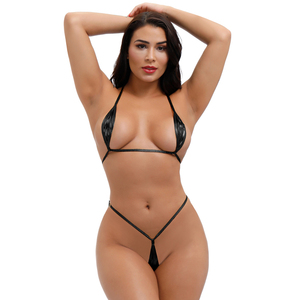
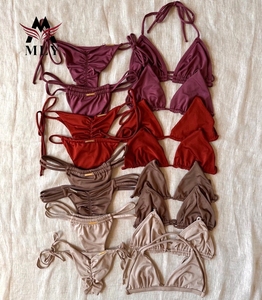
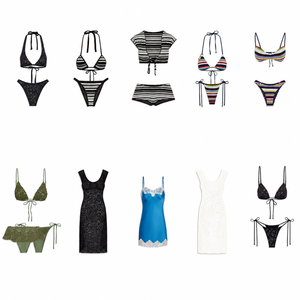
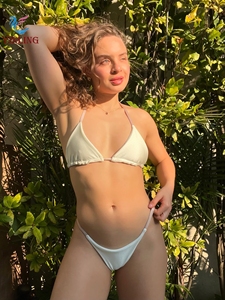
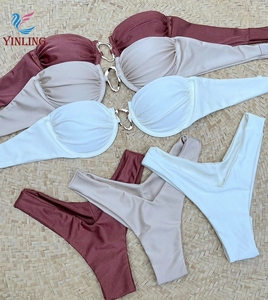
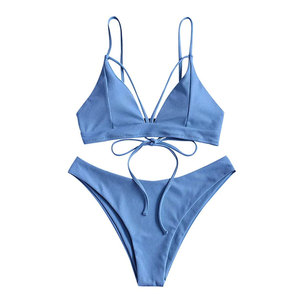
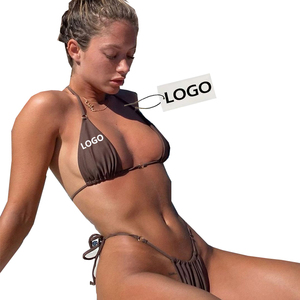
Kenya represents one of Sub-Saharan Africa's most dynamic retail ecosystems for resortwear, defined by a distinct dual-economy of coastal international tourism and a rapidly expanding urban middle class with high disposable leisure income.
From the coral reefs of Watamu and Diani Beach to private villas in Lamu Archipelago, high-net-worth inbound tourists and domestic holidaymakers seek premium, UV-resistant resort swimwear. Boutique gift shops inside 5-star beachfront properties demand coordinated sets pairing bikinis with matching breathable chiffon or linen cover-ups for seamless transition from infinity pool to fine dining.
Nairobi's bustling commercial core—encompassing affluent enclaves such as Westlands, Karen, Lavington, and Kilimani—has birthed an active "staycation" pool party and wellness subculture. High-rise residential apartments with heated rooftop pools and boutique wellness clubs require fashion-forward statement swimwear, metallic triangle sets, and sleek one-pieces that double as bodysuits under high-waisted linen trousers.
The classic Kenyan itinerary links safari game drives in the Maasai Mara, Samburu, or Amboseli with coastal relaxation. High-end eco-safari lodges increasingly feature private plunge pools facing savannah wildlife watering holes. Guests prioritize modest yet sophisticated swimwear options: supportive underwired bandeaus, elegant square-neck one-pieces, and earth-toned textured bikinis that fit the conservationist aesthetic.
Over 80% of emerging Kenyan independent fashion brands operate online-first models powered by Instagram and TikTok showcase videos, converted via WhatsApp Business, and settled instantly through Safaricom M-Pesa paybill portals. For these brands, inventory risk must be strictly controlled. Sourcing through low-MOQ, high-margin European-engineered manufacturing allows independent founders in Nairobi to launch multiple capsule drops per year without holding dead capital in unsellable bulk stock.
Strategic supply chain decision-making requires understanding the tectonic shifts occurring in East African textile consumption, material science expectations, and regional sizing demands.
The Kenyan Government and East African Community (EAC) have progressively clamped down on "Mitumba" (imported secondhand clothing), specifically targeting intimate apparel, underwear, and next-to-skin swimwear on hygiene grounds. This legislative drive creates a massive structural vacuum for brand-new, private-label swimwear designed specifically for the domestic African consumer.
Standard Asian and European fast-fashion size charts (grading purely linearly across width and length) consistently fail Kenyan female body typologies. There is acute domestic demand for specialized grading: fuller bust cups (D to G) paired with narrower under-bust bands, contoured high-waisted cuts that provide tummy control, and reinforced elastic stitching across the gluteal curve.
Kenya was an early global pioneer in banning single-use plastics (2017) and takes fierce pride in preserving its Indian Ocean marine ecosystems. Kenyan retail buyers and eco-resort operators actively inspect supplier credentials, favoring regenerated ocean nylon (ECONYL® made from abandoned fishing nets) and biodegradable compostable poly-bag packaging over cheap virgin polyester.
While global markets oscillate between minimalist neutral beige and black, the Kenyan domestic palette embraces rich, sun-drenched vibrancy: terracotta reds, lush acacia emeralds, deep sunset corals, and metallic gold sheens that pop against melanin-rich skin tones. Suppliers with superior dye-sublimation colorfastness (Grade 4.5+) are indispensable.
The coastal sun at Mombasa (UV Index regularly exceeding 11+) combined with high salinity from Indian Ocean waters and intense pool chlorination at inland luxury resorts degrades low-grade elastane within weeks. Bikinova builds commercial swimwear according to strict physical and chemical testing standards.
| Performance Characteristic | Commercial Grade (Standard Cheap OEM) | Bikinova Ethical London/Italian Spec | Strategic Advantage for Kenyan Importers |
|---|---|---|---|
| Base Polymer Composition | 100% Virgin Virgin Polyester / Polyurethane | 78% Recycled ECONYL® / 22% Xtra Life LYCRA® | Prevents fabric sagging; retains memory 5x longer under Indian Ocean high salinity. |
| Solar Protection (Ultraviolet) | UPF 15–20 (chemical surface spray, washes out) | UPF 50+ (inherent dense mechanical knit) | Critical health selling point for European/American tourists and locals at Diani & Watamu. |
| Lipid & Sunscreen Resistance | Elastane dissolves/yellows after 10–15 uses | High resistance to sunscreen oils & chlorine | Zero discoloration from heavy tropical SPF sprays and mineral zinc sunscreens. |
| Hardware & Metallic Trim | Electrolytic iron/brass alloy (rusts in marine air) | Anti-corrosion Zamak / PVD marine coating | Bandeau rings and starfish charms will not tarnish or rust in high-humidity coastal zones. |
| Fabric Weight (GSM) | 130–160 GSM (translucent when wet) | 190–240 GSM + Double-knit lining | 100% opaque, modest coverage; no sheer transparency even in white or light cream colorways. |
Bikinova bridges the gap between London pattern-cutting atelier rigor, Italian circular fabrics, and real-world African boutique supply chains.
Pattern cutting, toiling, fit-testing, digitizing, grading, and bulk production operate within our London technical facility. For Kenyan brand directors, this eliminates the communication barrier and multi-tiered agent markups typical of sprawling Far East factories. You converse directly with seasoned patternmakers who understand drape, stretch percentage, and curve proportion.
Mass-market manufacturers force 1,000 to 3,000 units per colorway—a fatal trap for boutique East African retail. Our 300-unit minimum order can be divided across up to 6 distinct styles at 50 units each. A brand can launch an entire capsule collection (e.g., 3 bikini tops + 3 bottoms, or 4 two-pieces + 2 one-pieces) across sizes XXS to XXL, testing customer sentiment without holding excess inventory.
We deploy computerized nesting software that reduces layout cutting waste and saves over 50% in paper usage. Machine motors operate on energy-efficient drives, and production off-cuts are redirected into branded accessories like hair scrunchies and headbands. Furthermore, a dedicated per-garment charitable donation supports ocean conservation initiatives.
Navigating East African Community (EAC) customs tariffs and Kenya Revenue Authority (KRA) protocols requires precise export documentation to prevent border holds or punitive demurrage fees.
1. KEBS Pre-Export Verification of Conformity (PVoC): The Kenya Bureau of Standards (KEBS) mandates that all textile and apparel consignments entering Kenya undergo PVoC inspection in the country of origin. Sourcing through our certified facility ensures that test certificates (fiber composition, color fastness to sea water, azo-dye absence under ISO 14362-1) are pre-verified, allowing inspection agencies such as SGS, Bureau Veritas, or Intertek to issue a Certificate of Conformity (CoC) without costly cargo quarantines at port.
2. HS Tariff Classification & EAC Duty Rates: Swimwear falls under HS Code 6112 (Tracksuits, ski suits and swimwear, knitted or crocheted). Under the EAC Common External Tariff (CET), knitted swimwear attracts an import duty of 25% to 35% depending on specific classification, accompanied by 16% Value Added Tax (VAT), a 2.5% Import Declaration Fee (IDF), and a 1.5% Railway Development Levy (RDL). Accurately structured commercial invoices and packing lists provided by Bikinova prevent arbitrary customs uplifts by KRA agents.
3. Freight Mode Strategy: Air (JKIA) vs. Ocean (Kilindini/Mombasa):
4. Payment Structures & Currency Management: We support standard international corporate wire transfers (SWIFT) in USD, GBP, and EUR. Milestone payment models (typically 50% deposit upon sample approval and 50% upon final inspection prior to dispatch) protect your working capital while ensuring seamless manufacturing execution.
Everything fashion founders, hotel retail managers, and purchasing agents in Nairobi and Mombasa ask before initiating a swimwear production line.
Whether you are outfitting a luxury beach resort gift shop in Diani, expanding an upscale boutique in Nairobi, or launching East Africa's next viral DTC swim label, our technical team is ready to realize your vision.