Engineered for Strict Japanese Quality Standards (QC Inspection & Safety Compliance)
Navigating Japan's juvenile apparel sector demands an uncompromised convergence of certified sun safety (UPF 50+), extreme tactile comfort for sensitive skin, and stringent chemical hygiene according to Law No. 112. As a specialized manufacturer equipped with European design craftsmanship and high-precision CMT lines, we empower apparel retailers, private brands, and department store chains across Tokyo, Osaka, and Fukuoka to build profitable, compliant children’s swimwear collections.
Recommended Base Silhouettes for Japanese Localization
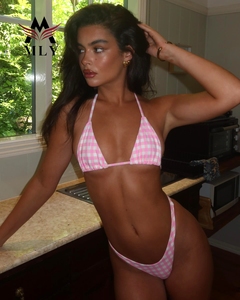
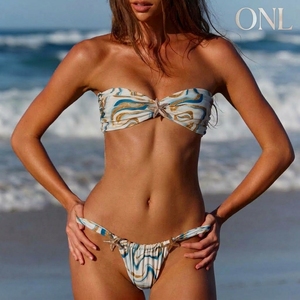
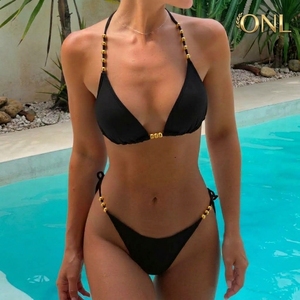
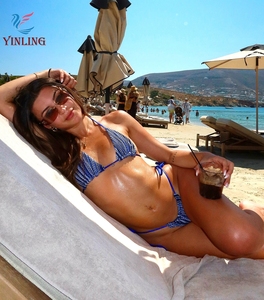
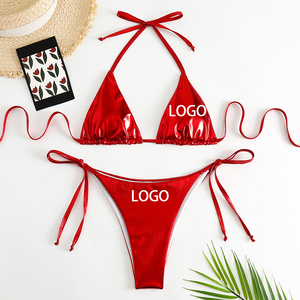
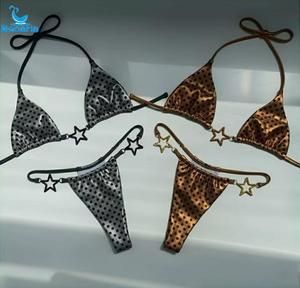
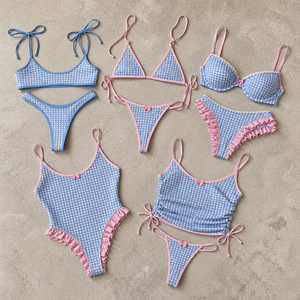
Explore our export-ready swimwear prototypes, readily customizable with Japanese size grading (80cm–160cm), rash-guard integrations, and subdued pastel palettes.
Japanese Market Compliance: Chemical, Mechanical & Sizing Matrix
A comprehensive overview for Merchandisers, QC Directors, and Sourcing Heads
Entering or scaling within Japan’s children’s apparel market requires adherence to some of the most rigorous consumer safety regulations in the world. Unlike European or North American standards which frequently rely on self-declarations, Japanese trading houses (Shosha) and department stores insist on physical laboratory validation under Japan Industrial Standards (JIS).
Furthermore, mechanical hazard prevention in children's garments is governed by JIS L 4129 (Safety of children’s clothing — cords and drawstrings). To satisfy Japanese custom inspections and parental peace of mind, all our juvenile swim trunks, rash guards, and two-piece sets eliminate free-hanging drawstrings at the neck and chest, utilizing elasticated gathered tunnels and bar-tack anchors.
| Target Inspection Parameter | Japanese Testing Protocol | Our Factory Benchmark Standard |
|---|---|---|
| Free Formaldehyde | Law No. 112 (Acetylacetone Colorimetric method) | Undetectable (<16 ppm for 0-24m, <30 ppm for older kids) |
| Color Fastness to Chlorinated Pool Water | JIS L 0884 (Method 1 & 2 - Active Chlorine 50-100mg/L) | Class 4 or higher (Zero color migration or staining) |
| Color Fastness to Perspiration & Rubbing | JIS L 0848 & JIS L 0849 (Acidic & Alkaline) | Dry Grade 4-5 / Wet Grade 4 minimum |
| Needle & Metal Fragment Detection | Dual-Head Conveyor Needle Detector (1.0mm Fe) | 100% individual inspection through certified Hashima units |
| UV Permeability / UPF Rating | JIS L 1925 Spectrophotometry | Certified UPF 50+ (Blocks 98.2%+ UVA/UVB transmission) |
In addition to safety specifications, children's swim sizing in Japan corresponds strictly to the metric stature system: 80, 90, 100, 110, 120, 130, 140, 150, and 160. Our computerized pattern systems are pre-calibrated with localized body proportion blocks that feature accommodating torso lengths, wider neck openings for effortless dressing, and soft flat-lock binding along thigh apertures to prevent chafing during active movement.
Localized Application Scenarios in Japan
How our custom manufacturing lines support specific Japanese lifestyle, school, and leisure ecosystems.
Elementary & Kindergarten (Suiei Jyuugyou)
Mandatory Japanese school swim curricula demand dark navy, black, or royal blue one-piece and swim boxer designs. Our CMT lines manufacture discreet, uniform-compliant pieces featuring water-permeable interior name tags (O-namae tape compatible) and high-modulus elasticity that withstands frequent 100mg/L chlorine pool treatments without sagging.
Family Resort & Onsen Waterparks
Attractions such as Spa Resort Hawaiians, Nagashima Spa Land, and Toshimaen demand aesthetic UV-rashguards with matching swim hats (flapped legionnaire caps). Japanese parents favor coordinated family aesthetics, gentle floral prints, and earthen hues (sage green, dusty pink, charcoal) with UPF 50+ protection against harsh coastal sunlight.
Okinawa Coastal & Marine Sports
For subtropical maritime environments like Okinawa and the Izu Peninsula, we produce long-sleeve anti-jellyfish swimsuits and thermal rashguards engineered with brushed recycled spandex. Zipper garages and protective inner flaps prevent pinch injuries, while four-way stretch fabric ensures unimpeded surfing, snorkeling, and rock-pool foraging.
Emerging Japanese Children’s Swimwear Trends
Data-driven market intelligence to position your forthcoming collection ahead of competitor offerings.
Eco-Conscious Recycled Fibers (SDGs Shift)
Japanese institutional consumers and retail buyers prioritize items meeting United Nations Sustainable Development Goals (SDGs). We utilize regenerated nylon (ECONYL®) from discarded fishing nets and post-consumer recycled PET bottles. Providing transparent yarn origins and OEKO-TEX® Standard 100 Class 1 certifications creates undeniable merchandising prestige.
Gender-Neutral & Modest Styling
Progressive Japanese school boards and boutique brands are phasing out overtly gendered swimwear in favor of genderless, inclusive silhouettes. Sleek separates featuring loose-fit unisex rash tops and inner-lined boardshorts ensure comfort, modesty, and rapid drying for both boys and girls during communal outdoor play.
Multi-Functional 'Land-to-Water' Apparel
With domestic travel and camping (autocamp) experiencing massive growth across Japan, parents prefer waterwear that transitions seamlessly from hiking trails to riversides. We construct hybrid swim shorts and shirts utilizing water-repellent (DWR) surface finishes, mesh pocket drainage, and matte textures that mimic conventional casual wear.
Why Partner with Us for the Japan Market?
Decades of textile excellence, proprietary pattern libraries, and flexible OEM/CMT low-MOQ capabilities.
Low MOQ of 300 Units
Launch your Japanese collection with reduced inventory risk. Our 300-unit minimum can be flexibly divided across up to 6 styles (50 units each) with multiple size distributions.
Precision Pattern Grading
Bespoke European pattern engineering merged with Japanese pediatric anthropometrics ensures immaculate anatomical fit from toddler 80cm to junior 160cm.
Zero-Waste Digital Nesting
Our computerized Gerber/Lectra nesting systems achieve up to 92% fabric utilization, saving raw Italian recycled material costs and eliminating unneeded paper waste.
100% Needle Detector Audit
Every single manufactured swimsuit passes through high-sensitivity calibrated conveyor metal detectors, with serialized digital inspection logs dispatched with export documentation.
Frequently Asked Questions by Japanese Sourcing Teams
Crucial commercial and regulatory insights for import managers, trading companies, and product developers.
How do you verify compliance with Japan's Formaldehyde Law No. 112?
All fabrics, trims, elastic bands, and printed heat-transfers are procured exclusively from OEKO-TEX Standard 100 Class 1 (Baby Safe) certified suppliers. Finished sample garments are sent to Boken Quality Evaluation Institute or QTEC for acetylacetone spectrophotometric analysis prior to bulk release, confirming absorbance values remain under 0.05.
Can you manage Japanese washing instruction labels and 'JIS L 0217' / 'ISO 3758' symbols?
Yes. We custom print soft-satin sew-in care labels containing Japanese Care Symbols (JIS L 0217 / ISO 3758 compliant), precise fabric composition percentages in Japanese Kanji/Katakana, country of origin, and your specific importer/distributor contact information.
What is your production lead time for sample development and bulk export?
Custom pattern drafting and initial fit toiles take 3-4 weeks. Physical counter-samples take approximately 2 weeks after client fabric sign-off. Bulk CMT manufacturing typically spans 5-7 weeks depending on order volume and whether Italian recycled fabrics are in stock or custom dyed.
Do you accommodate independent third-party inspections (Kenpin) before shipment?
Absolutely. We regularly facilitate third-party quality audits by renowned Japanese inspection agencies such as Boken, QTEC, or Nissenken within our clean-finishing room prior to container loading, palletization, or air freight dispatch.
How does your MOQ split work across varying children's size ranges?
Our standard production order threshold is 300 units. You can split this across up to 6 distinct designs or silhouettes at 50 units per design. Within those 50 units, you are welcome to allocate reasonable size curve ratios (e.g., 90cm: 10 units, 100cm: 15 units, 110cm: 15 units, 120cm: 10 units).
Are you capable of integrating chlorine-resistant UPF 50+ fabrics for municipal pools?
Yes. We utilize premium Italian recycled micro-polyamide and polyester blended with Xtra Life Lycra®. This prevents degradation from chlorinated pool water, resists oil and sunscreen penetration, and maintains UPF 50+ UV attenuation through hundreds of wash cycles.
Build Your Japanese Children's Swimwear Line with Confidence
Consult directly with our apparel technical directors. From JIS-compliant fabric swatches and customized digital patterns to zero-formaldehyde bulk production, we turn your technical tech packs into high-margin reality.
Send an Inquiry