Choosing a bikini manufacturer is not just a search for the lowest unit price. Fabric feel, stitching, sizing consistency, and clear communication all affect the finished product. For wholesale buyers, small details matter: a lining that stays in place, adjustable straps that hold, and colors that match approved samples. Fit matters. So does follow-through.
This guide introduces 10 bikini manufacturers for wholesale buyers and explains what to compare before requesting a quote. It considers product range, customization options, sample policies, production capacity, and stated quality-control practices. These details can help brands prepare useful questions and assess whether a supplier fits their needs. No supplier is perfect. A polished website alone cannot confirm workmanship, delivery reliability, or how a garment performs after repeated wear. Buyers should verify current terms directly, review samples where possible, and clarify minimum order quantities, lead times, and revision procedures in writing. The list is a starting point, not a substitute for due diligence. Even careful research has limits; supplier capabilities and policies can change. The right choice depends on your product specifications, budget, order volume, and tolerance for production risk.
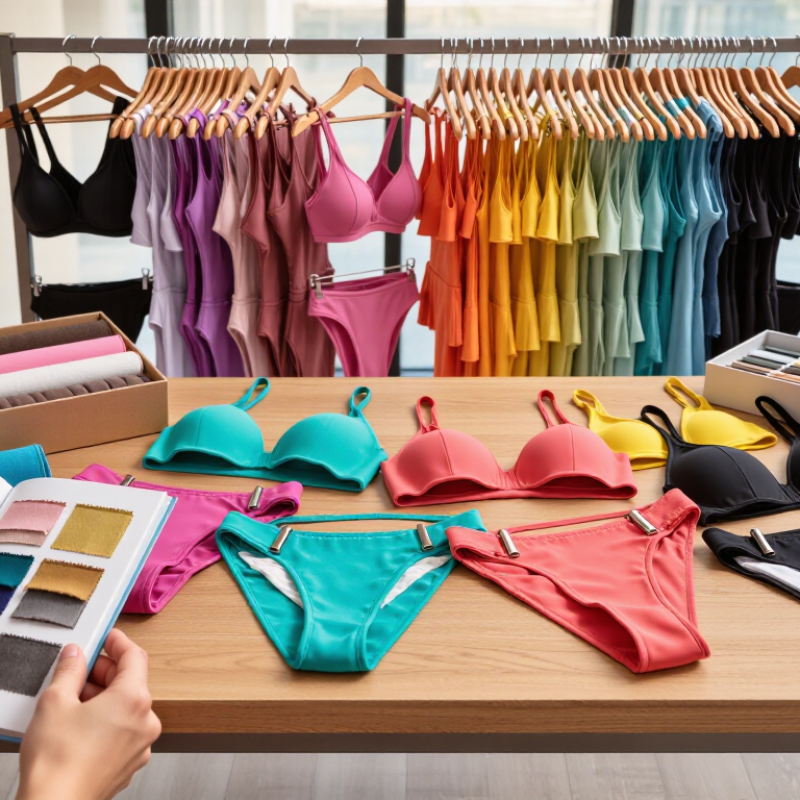
Wholesale bikini sourcing involves more than comparing unit prices. Buyers need to assess minimum order quantities, size grading, sampling, fabric performance, and delivery windows. Allied Market Research estimated the global swimwear market at $19.8 billion in 2020, with projected growth to $29.1 billion by 2030. That outlook suggests opportunity, but demand can vary sharply by season and sales channel.
Material choices affect both cost and product performance. Textile Exchange’s Materials Market Report 2024 estimates that polyester made up 57% of global fiber production in 2023. For bikini orders, ask suppliers about fabric composition, stretch recovery, lining, and colorfastness after exposure to chlorine or saltwater. Request a sample in the intended color; a fabric swatch alone may not reveal how seams behave when wet. It is easy to underestimate fit revisions. One round of changes can shift a launch date.
Tip: Compare suppliers using the same brief, including quantity, size range, fabric weight, trims, and packaging. Confirm sample and bulk-production timelines in writing, and test garments before approving the full order. Small checks matter.
When evaluating bikini manufacturers, request a sample made with the fabric and lining intended for bulk production. A substitute fabric can hide differences in stretch, opacity, and recovery. Check seam alignment, elastic tension, lining coverage, and how the suit feels after gentle stretching. Small details matter.
Ask how sizing is graded across the range, and compare garment measurements with a clear size chart. Inspect stitching around straps and leg openings, where repeated tension can expose weak construction. Request a written outline of minimum order quantities, sample fees, production timelines, and inspection steps. Vague answers are worth noting. A polished sample does not guarantee every unit will match it.
Communication is part of quality control. Share a measurement sheet, reference photos, and notes on fit, then see whether the manufacturer confirms details before production. Ask how defects are recorded and what happens when an inspection finds inconsistent stitching or measurements. No checklist catches every fit issue. Even careful reviews can miss problems that appear only after wear, so leave time for another fitting and revision before approving a large order.
Choosing among ten bikini manufacturers for wholesale buyers means comparing production evidence, not polished sales photos. Ask each supplier for a current sample, a size chart, and written details on minimum order quantities. Check seams, lining opacity, strap adjusters, and how the fabric recovers after stretching. Small flaws show quickly.
Fabric claims need practical checks. Request information on fiber content, weight, colorfastness, and performance in chlorine or saltwater. A swatch under bright light can reveal transparency that studio images hide. Ask how the factory grades patterns across sizes, and whether it can keep the same fit in repeat orders. These details matter more than a broad promise of customization. Get timelines and defect-handling terms in writing.
A useful comparison sheet can track sampling fees, lead times, packaging options, payment stages, and communication speed for all ten manufacturers. Verify business details and any quality or safety documents directly; do not assume a certificate covers every product. I would not treat any shortlist as a perfect ranking. One supplier may offer better development support, while another handles larger runs more consistently. The right choice depends on your order size, fit standards, and tolerance for delays. A few unanswered questions are a warning. So is a sample that differs from the specification.
Wholesale bikini sourcing is less about finding the lowest quote and more about matching a manufacturer’s workflow to your launch plan. Minimum orders can vary by style, color, and size mix, so ask whether the MOQ applies per design or per color. A low unit price may exclude labels, lining upgrades, or freight. Request a written cost breakdown before comparing offers.
Tips: Order a sample in your intended fabric and check it both wet and dry. Fit matters. Measure the waistband, inspect elastic recovery, and note whether seams twist during movement. Ask about sample fees, revision limits, and lead times. Get it in writing.
Quality is easier to assess with clear standards than with words like “premium.” Confirm fabric composition, colorfastness checks, stitch details, and measurement tolerances. Custom options may include prints, hardware, labels, and packaging, but each can affect cost or timing. Elaborate trims may look good on screen yet complicate repeat orders. Compare at least two samples; one can make an inconsistent fit seem normal. Keep approved measurements and color references on file.
Before placing a wholesale order, verify who will make the swimwear and how they manage production. Ask for the supplier’s business details, factory address, and recent product references. A video call can show cutting tables, sewing stations, and finished stock, but it cannot confirm every claim. Request a sample in your intended fabric and compare its measurements with the size chart. Check stitching, lining, elastic recovery, and color after a wash test. Small details matter.
Confirm the order in writing. List styles, colors, size ratios, fabric composition, packaging, unit prices, minimum quantities, and delivery dates. Ask how the supplier handles rejected samples, production delays, or pieces with uneven seams. Agree on payment stages and request a written invoice before sending a deposit. If the answers stay vague, pause. A low quote may not include labels, shipping, or sample fees, so clarify the full cost. One overlooked detail can affect the whole order.
Tips: Keep approval samples and email records. Ask the supplier to confirm key specifications twice; it may feel repetitive, but it can prevent costly misunderstandings. Start with a manageable order if you have not checked production quality firsthand. A sample is useful, not a guarantee.
Compare minimum order quantities, size ranges, fabric weight, trims, packaging, fees, and timelines. Use the same brief for each supplier. Small details matter.
Yes. Ask for the intended fabric and lining. Substitute materials may hide differences in stretch, opacity, and recovery.
Confirm composition, stretch recovery, lining, and colorfastness after chlorine or saltwater exposure. A swatch alone may not show wet seam behavior.
Compare garment measurements with a clear size chart. Check grading across sizes, then inspect fit after gentle stretching. It takes time.
Look at seam alignment, elastic tension, and lining coverage. Check stitching around straps and leg openings, where repeated tension can reveal weak construction.
Confirm both timelines in writing. Fit revisions can shift a launch date, so leave time for another fitting and adjustment.
Share a measurement sheet, reference photos, and fit notes. Ask the manufacturer to confirm the details before production begins.
No. A polished sample may not match every unit. Ask how inspections record defects and handle inconsistent stitching or measurements.
Not always. Some issues appear only after wear, and careful reviews can still miss them. Worth remembering.
This guide explores the wholesale Bikini manufacturing landscape and the factors buyers should consider when choosing a production partner. It presents ten options for wholesale buyers and explains how to assess each supplier’s product range, communication, production capabilities, and suitability for a particular business. Rather than relying on a single measure, buyers can compare minimum order quantities, pricing structures, material and construction quality, lead times, and available customization to find a practical fit for their needs.
Before placing an order, buyers should verify supplier information, request product samples, confirm specifications in writing, and clarify payment, production, and shipping arrangements. Careful preparation can help set realistic expectations and reduce the chance of mismatches between the finished products and the original requirements. By comparing suppliers systematically and confirming key details before committing, businesses can make more informed wholesale purchasing decisions.